Engineering
PLA, PETG, ABS or ASA: choosing a material for your part
Start with what the part needs to do. Compare four common plastics and prepare the information needed to discuss a suitable material.
Author: Only3D Print editorial team
Published:
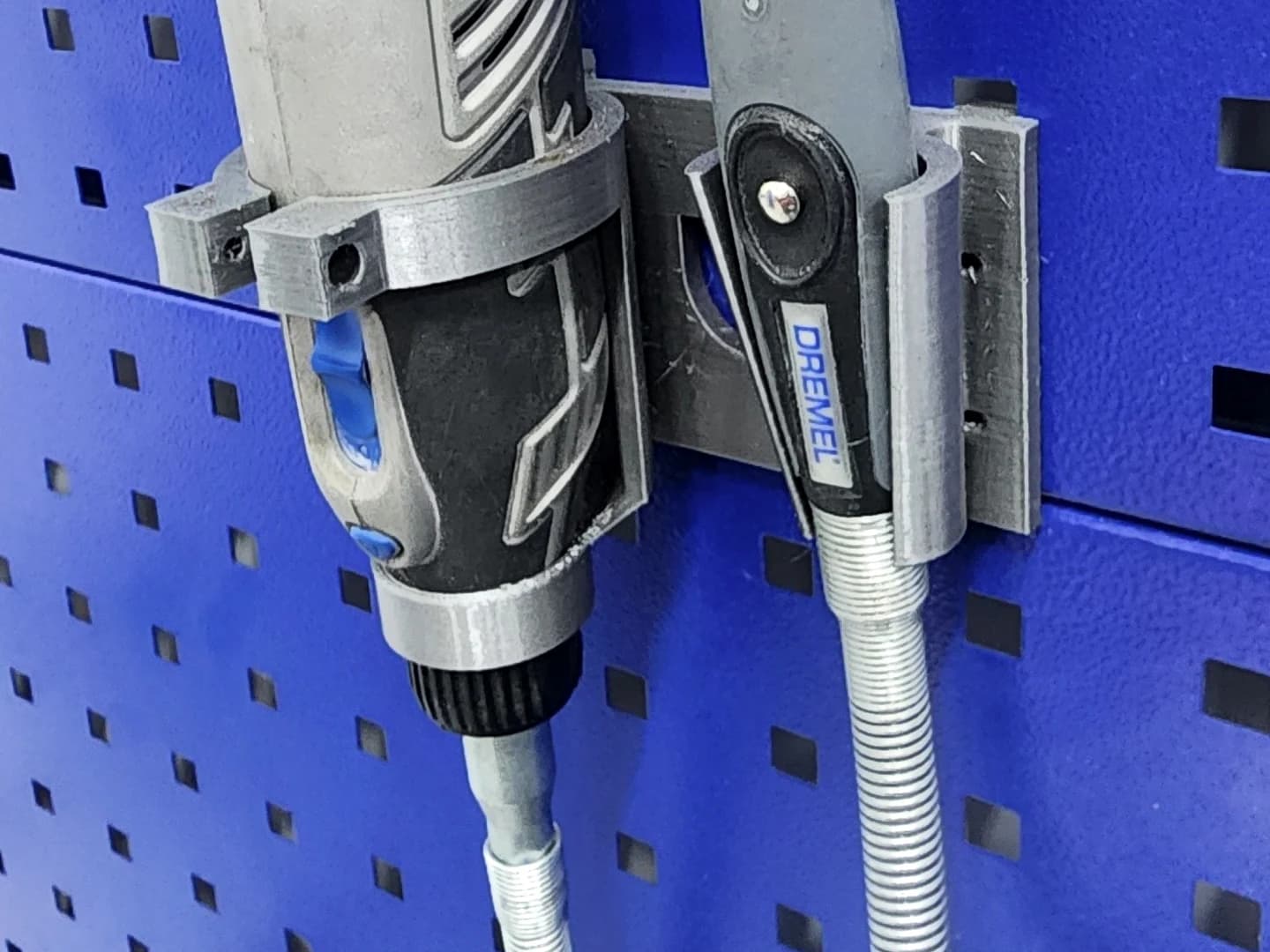
A visual prototype, a working holder and an outdoor enclosure may need different materials. As a starting point, PLA is often used to check shape, PETG is considered for many functional parts, and ASA is a candidate when resistance to sunlight matters. ABS is also used for technical parts. The final choice depends on load, temperature and geometry, rather than the material name alone.
Start with the part’s working conditions
Before choosing a material, describe five things: where the part will be used, what loads it will carry, how hot it may get, what it will come into contact with, and which surfaces must fit neighbouring parts.
For a tool holder, include the tool’s weight and mounting method. For an enclosure, include board dimensions, connector positions and heat sources. For outdoor use, mention sunlight and rain. Asking for a strong plastic leaves these questions unanswered.
PLA: visual models and shape checks
PLA is commonly used for visual prototypes, decorative objects and parts that do not need high resistance to heat or mechanical stress. It can be a useful starting point for checking the overall dimensions of a model.
If the finished item will get hot or carry a continuous load, reconsider the choice against those conditions. A successful visual prototype does not establish that the same material is suitable for a working assembly.
PLA properties: Prusa manufacturer guide
PETG: a candidate for enclosures and holders
PETG is often considered for functional parts because of its toughness and temperature resistance. The material name alone, however, cannot tell you whether a particular bracket will carry the required load.
Describe how the part will be used: a tool hangs from it, it bends repeatedly, or an enclosure may be knocked or dropped. These are different requirements, even when the models look similar.
PETG properties: Prusa manufacturer guide
ABS and ASA: consider heat and sunlight
ABS is used for technical parts where mechanical properties and heat resistance matter. ASA offers UV resistance that makes it a candidate for outdoor use. That is a reason to consider it for an outdoor enclosure, rather than a promise that every printed item will last equally long.
Check service temperatures against the data sheet for the specific material grade and the expected load. The nozzle temperature used during printing is not the temperature at which the finished part can operate.
How to enquire when you do not know the material
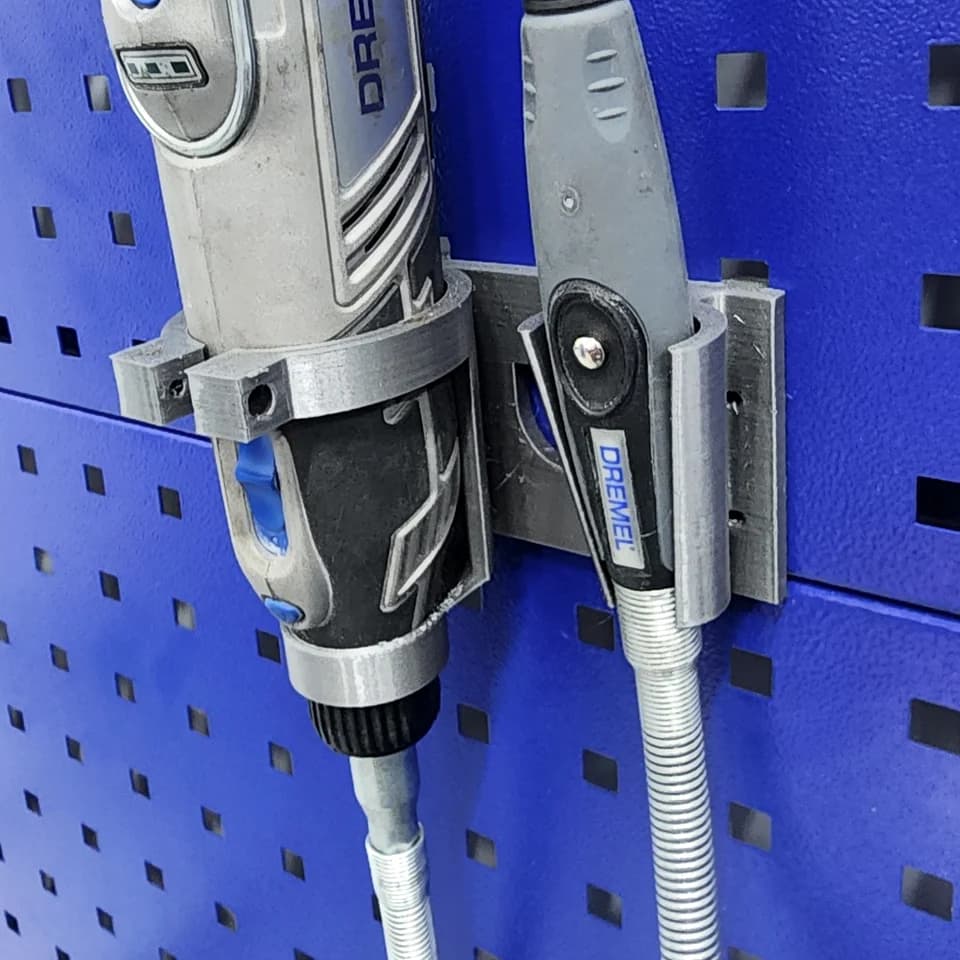
You can describe the task in everyday language. For example: “I need a holder for a 600 g tool on a perforated panel. It will be indoors, away from heat. The tool is removed daily. I need two holders; photographs and mounting dimensions are attached.” This is an example brief, not a claim about a completed order.
Send a model or photographs with dimensions, the quantity and your preferred date. Mention colour and any surfaces where visible printing marks would be a problem. If fit matters, provide the dimensions of the mating part; for a batch, you can first discuss a trial piece.
Preparing an enquiry without a finished model
Explore examples and tell us about your project
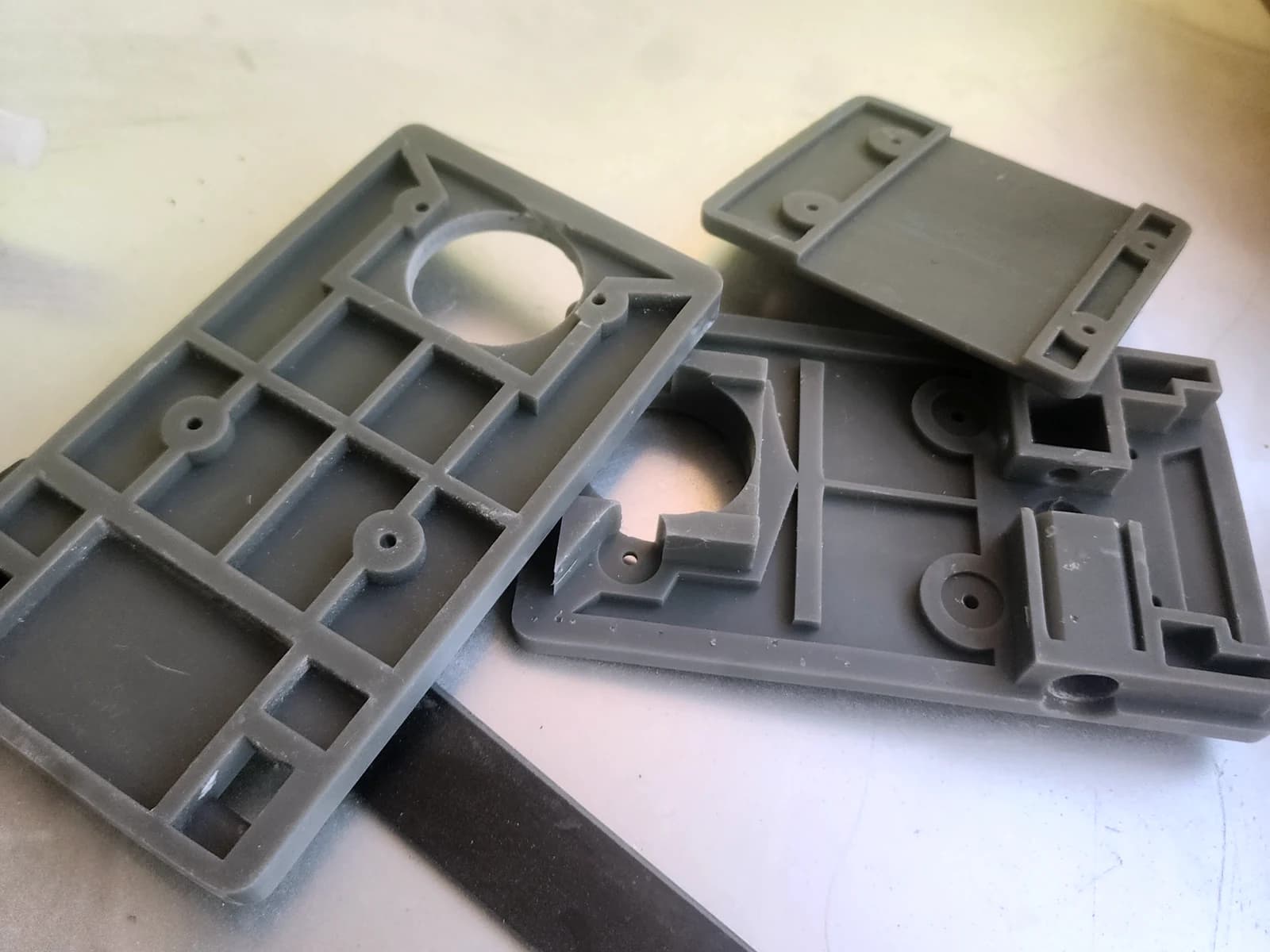
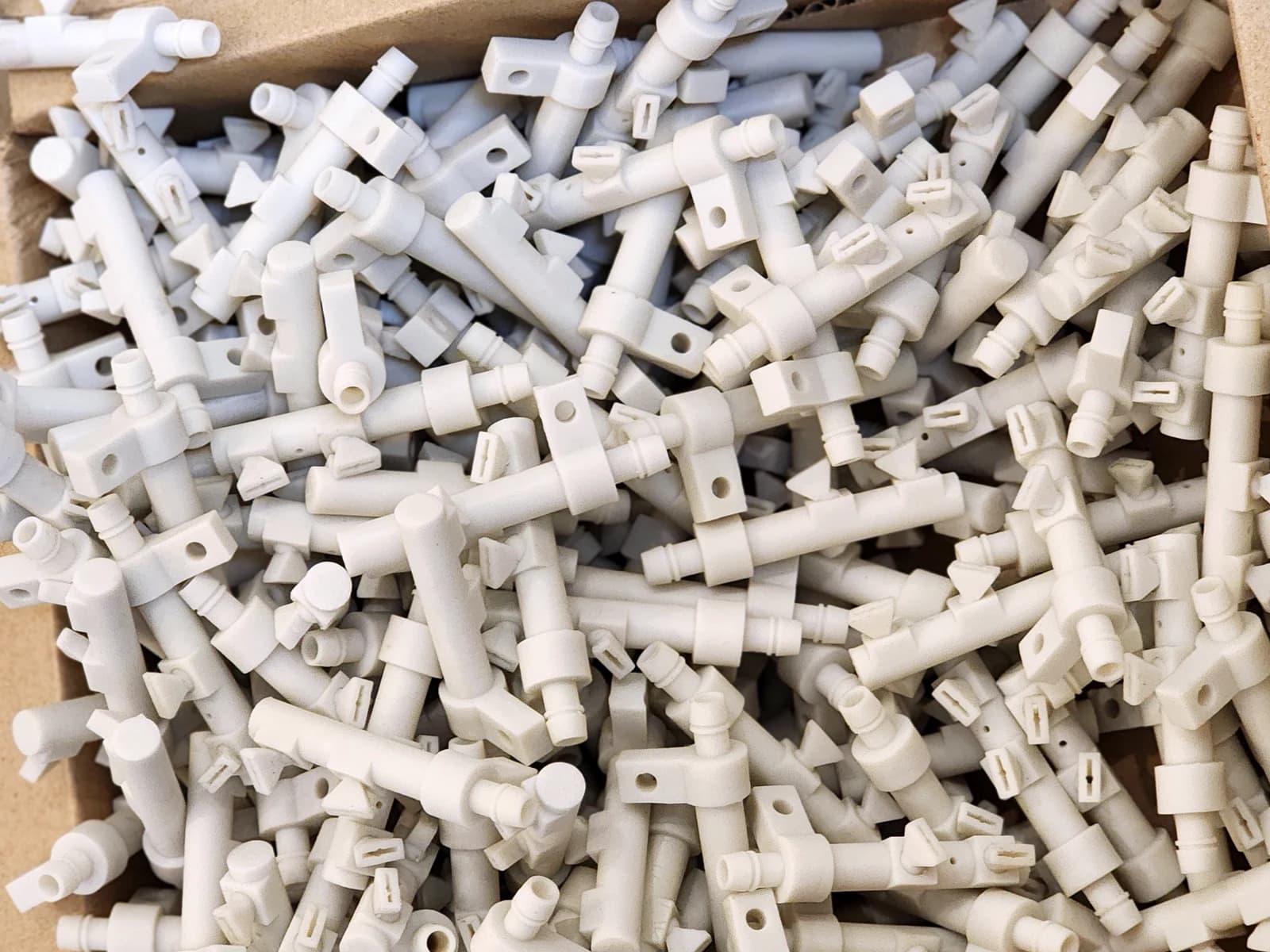
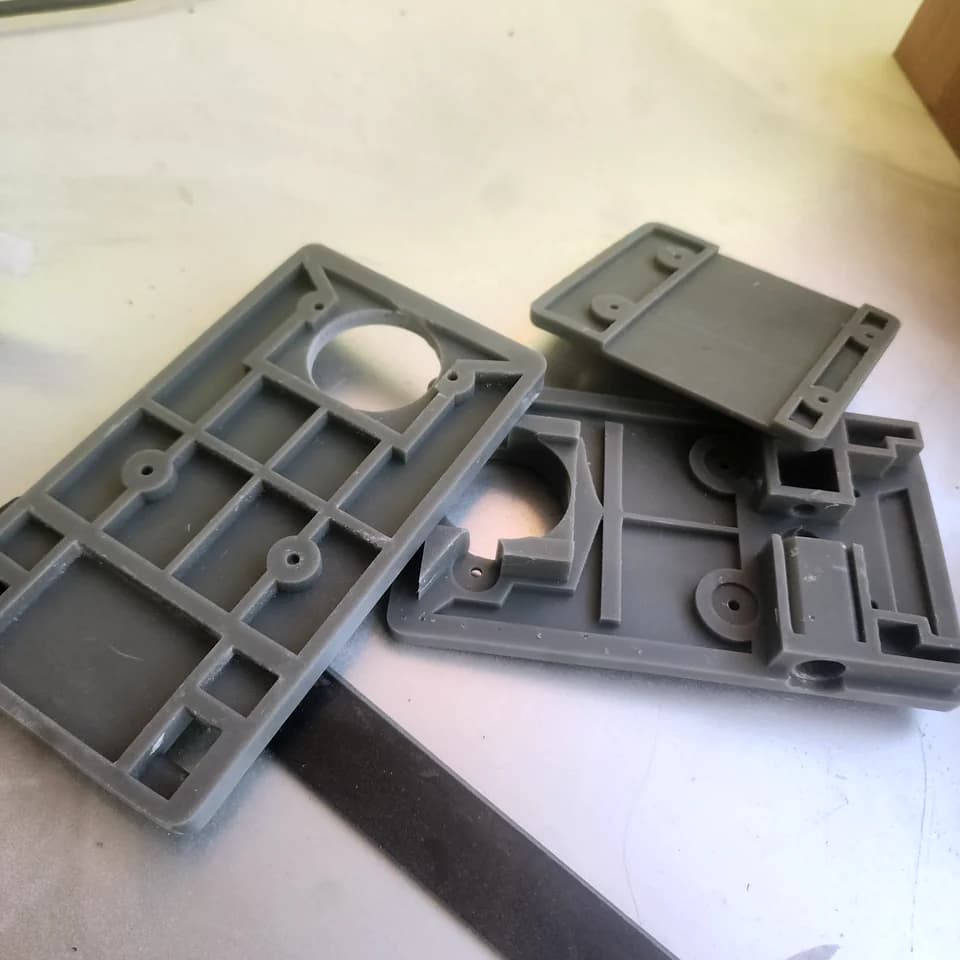
The Only3D portfolio includes tool holders and enclosure panels. These photographs help explain shape and application, but they do not establish the material grade or load rating.
If you already have a model, the calculator provides a preliminary estimate. If the material or model is undecided, start with a description. Collection in Krasnodar can be arranged; we will discuss the handover as part of your order.