Art & collectibles
Ordering a miniature: size, detail and painting
A character reference is only the beginning. Learn how to specify dimensions, appearance and the finish you want for your printed miniature.
Author: Only3D Print editorial team
Published:
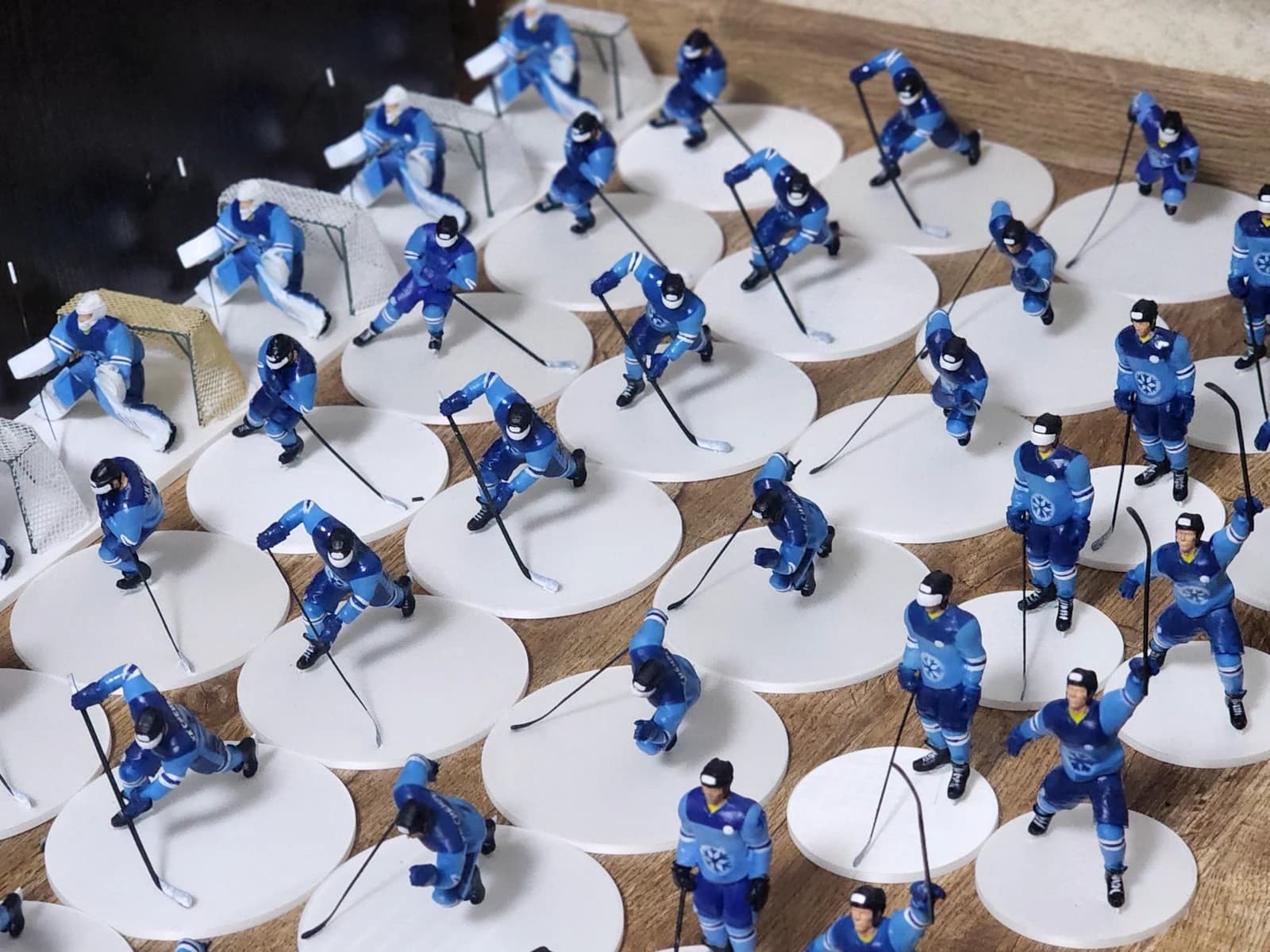
Before ordering a miniature, agree four things: what will be printed, its size, how it will be supplied and how it will be painted. A kit for you to assemble and a fully painted display piece are different orders, so it helps to define the result clearly.
Make the dimensions unambiguous
A 15 cm figure could mean the height to its head, to a raised hand, or the total height including its base. Mark the intended measurement on an image and specify the base dimensions if the piece must fit a display case.
For a gaming miniature, supplement the scale label with a measurement in millimetres and the base diameter. To match an existing collection, include a photograph of a neighbouring figure next to a ruler. Reducing a model also reduces its thin features, so discuss those separately.
Identify the details that matter most
Faces, fingers, lettering, sword tips and clothing textures call for different attention. Mark the features that need to remain clearly visible in the finished piece. A printer’s resolution label alone does not describe the final result.
The choice of process depends on size, geometry and the desired surface. Resin printing is often used for finely detailed miniatures. Layers, supports and finishing also influence the appearance; the Formlabs guide discusses these factors.
Formlabs: printing miniatures and preparing surfaces
Specify printing, assembly and painting separately
Tell us whether you want to paint the model yourself or receive a finished piece. If you plan to paint it, agree whether it should arrive assembled and primed. For a painted commission, provide a few colour references and identify the main one.
Useful references include front and rear views, a face close-up, the base colour and your preferred surface: matt, gloss or a mixture. Rather than simply asking for an attractive finish, show the style you have in mind. A muted palette and a bright, high-contrast treatment give the same figure different appearances.
Surface preparation affects how paint looks. Support removal, cleaning up marks and priming are separate operations; agree the required preparation before production.
Miniature and figurine printing
Use portfolio examples to explain your preferences
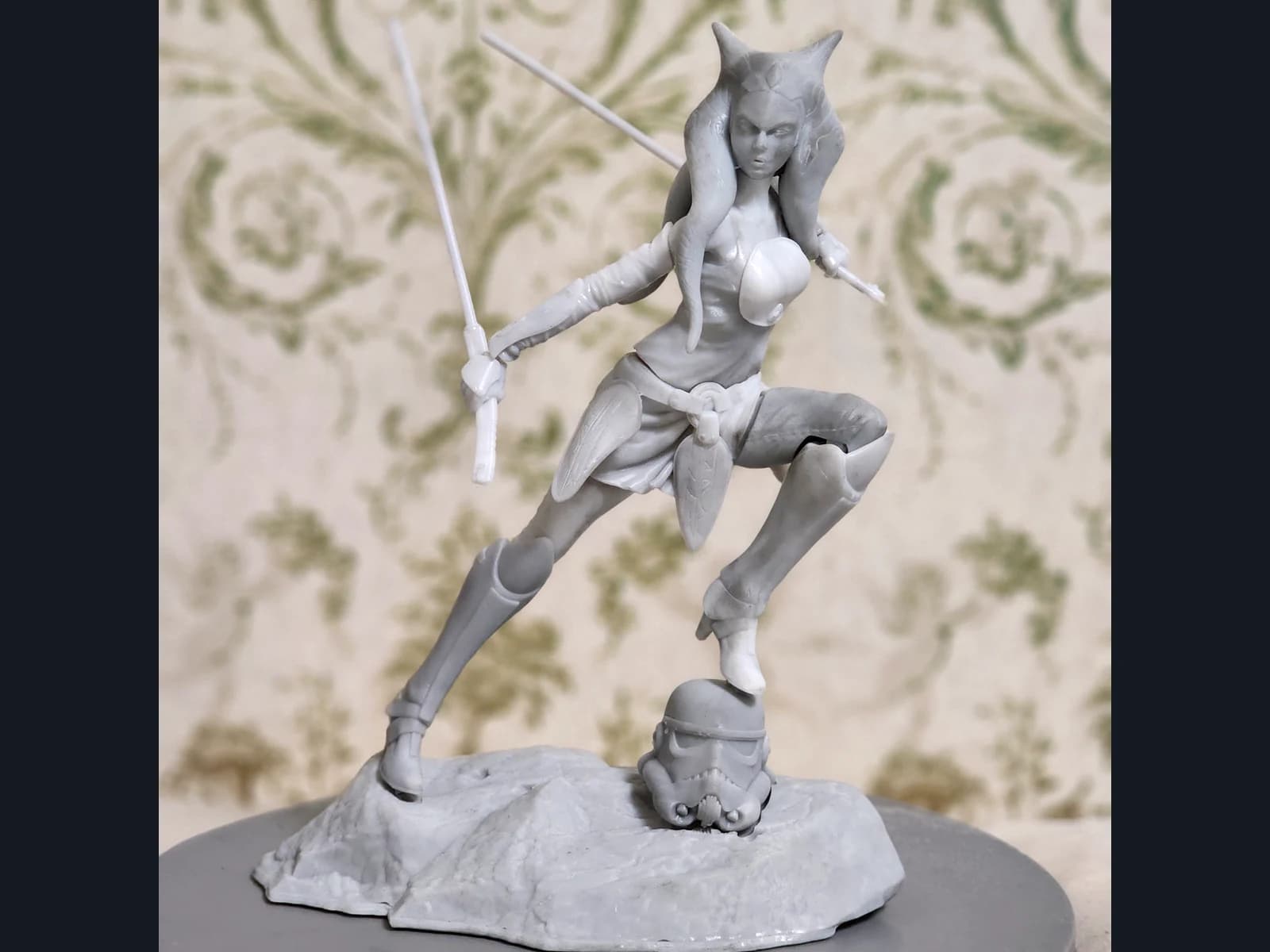
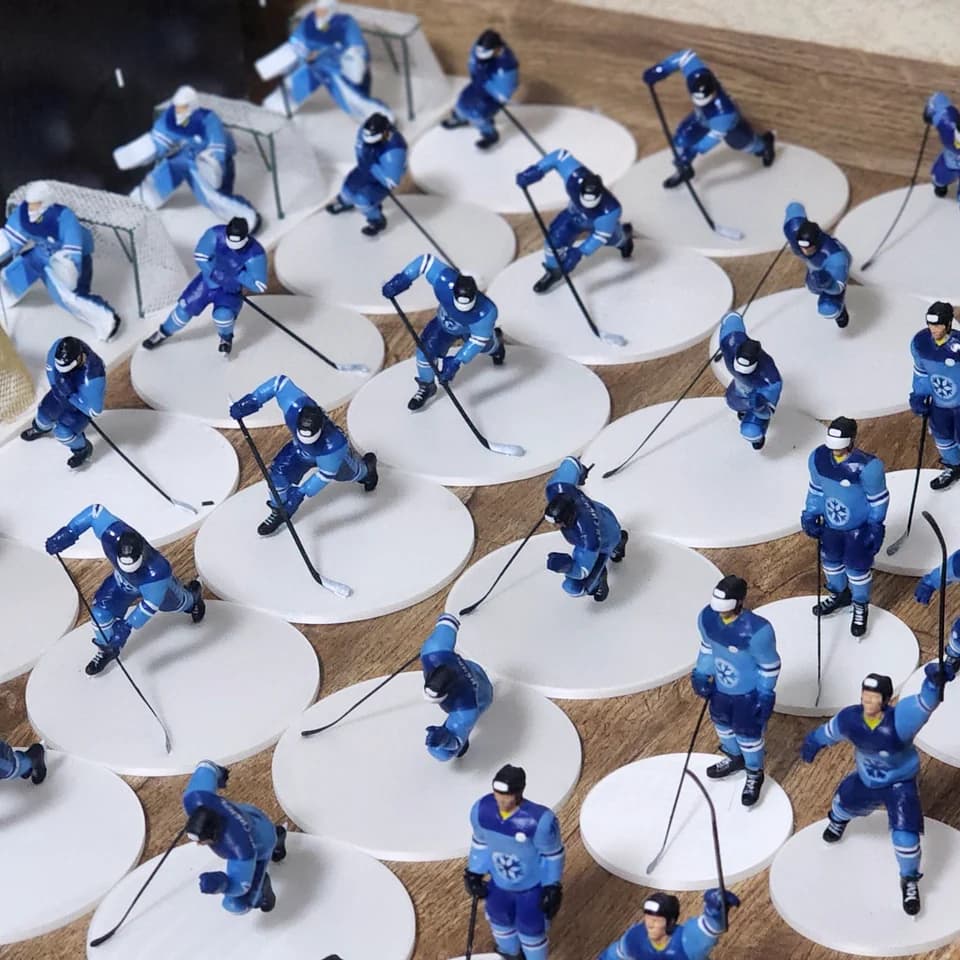
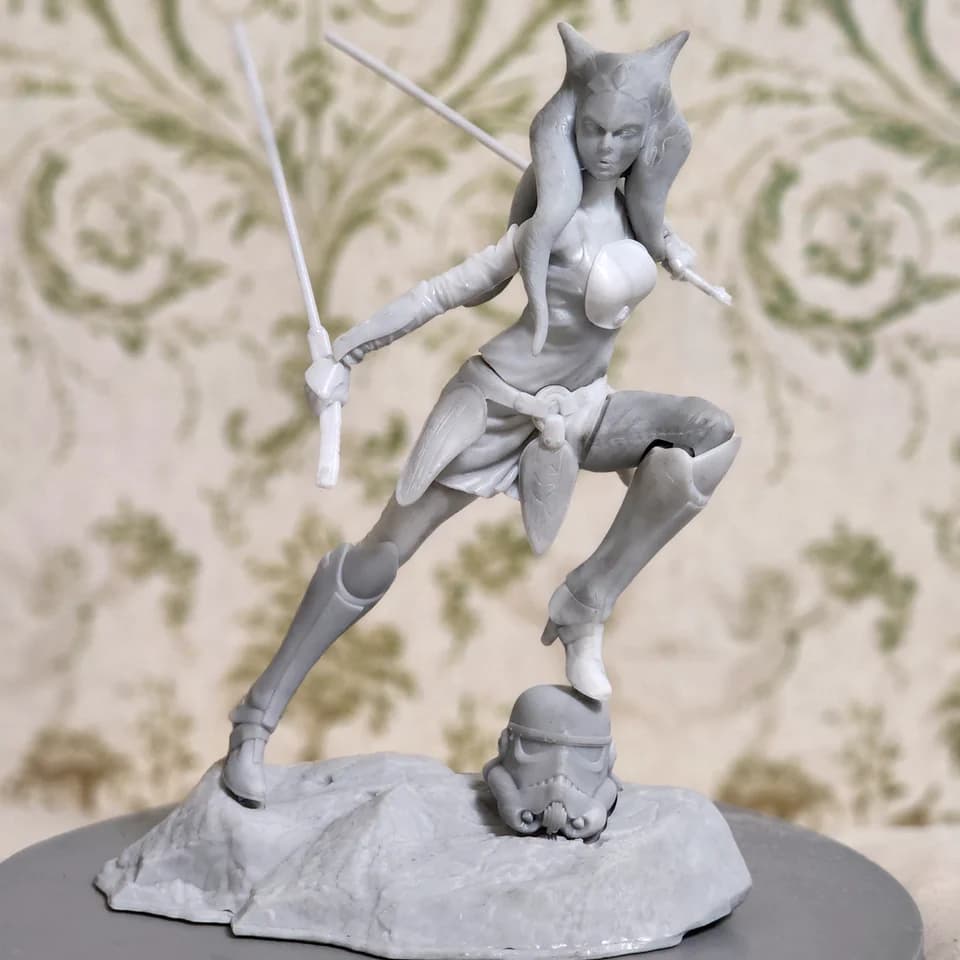
Our portfolio includes an unpainted grey Ahsoka figurine and painted hockey miniatures. These are different pieces, not before-and-after photographs of the same project. Pick a useful example and say what appeals to you: colour intensity, fine details or the base treatment.
You can request a similar piece from a portfolio project page. Its reference will be included in your enquiry, and you can describe the changes you want. For your own model, send the file: a photograph cannot replace reviewing its geometry.
Ordering from a portfolio reference
An example of a clear enquiry
“I need one figurine from the attached model. Total height including the base: 150 mm. The base must fit a shelf 80 mm deep. I would like it assembled and painted: the main colours are in the first image, with the face shown in the second. My preferred date is attached.” This is a template you can adapt to your own project.
If you do not have a file yet, send reference images and a description; we can discuss creating the model separately. The price and lead time for printing, assembly and painting are agreed for the work required. If you will paint it yourself, state what surface preparation you expect.